Physical Therapy
We relieve pain and restore function using physical energy, without medication or surgery.
Find the Right Physical Therapy for Your Symptoms
We offer two specialized treatments plus six standard physical therapies covered by National Health Insurance. See which one fits your symptoms first.
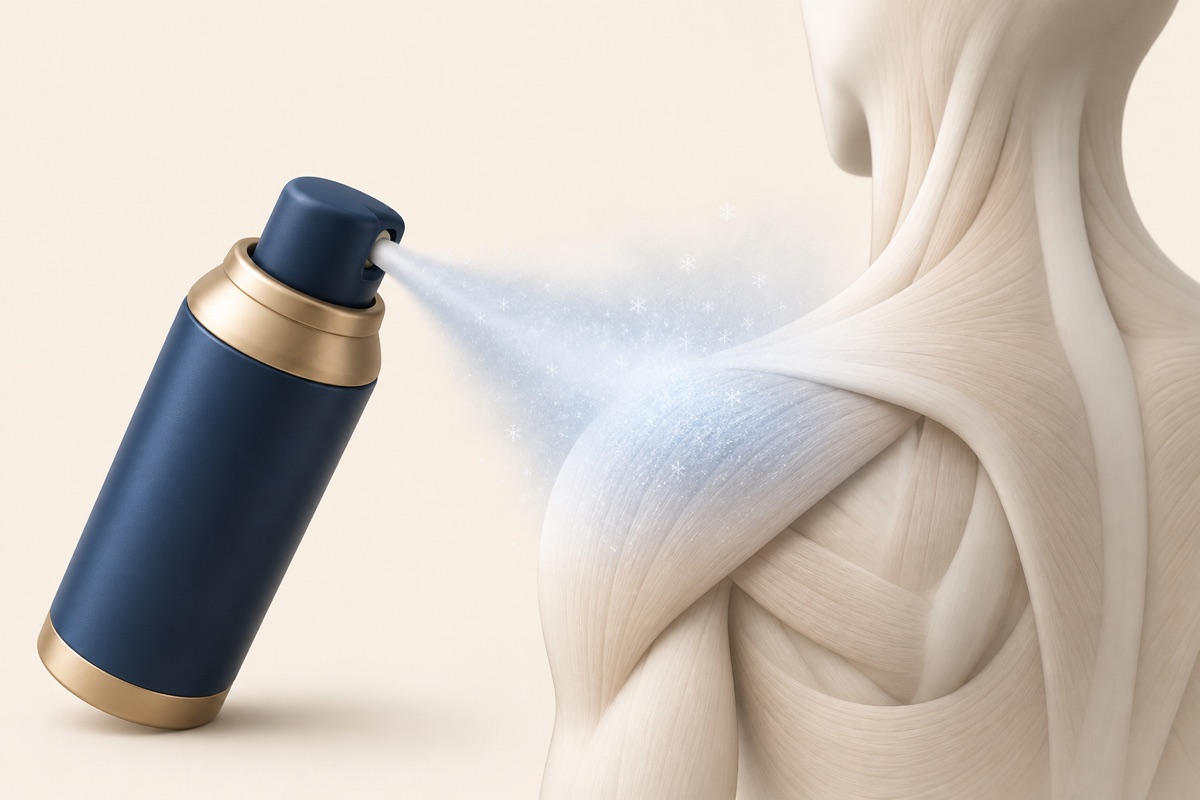
Tight, stiff muscles, acute sprains or spasms, or movement limited by pain
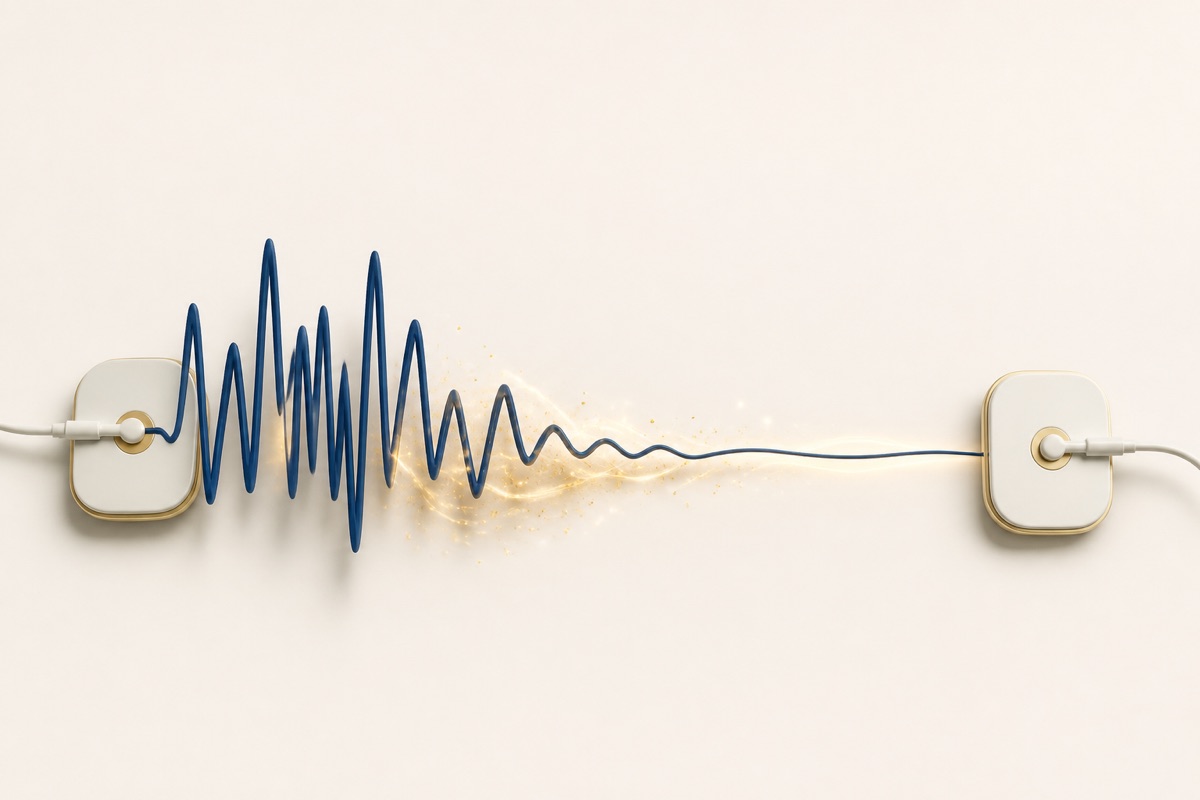
Chronic or intractable pain that hasn't responded to medication or injection therapy

Heat, electrical, light, and magnetic-field therapies combined to fit your symptoms and support recovery
Spray & Stretch Therapy
Authorized Non-CoveredCooling stimulation quickly relaxes stiff muscles.
A technique in which a low-temperature cryo gas is sprayed over trigger points and surrounding muscle while passive stretching is performed at the same time.
Muscles that couldn't be stretched due to pain or spasm relax and regain range of motion, as the cooling stimulus temporarily numbs nerve receptors.
In acute injuries, it also provides a cryotherapy effect — the cooling reduces swelling, limits the spread of inflammation, and suppresses muscle spasm, speeding early recovery.
A non-invasive treatment with no injections or medication, it places no physical burden on the body even with repeated sessions.
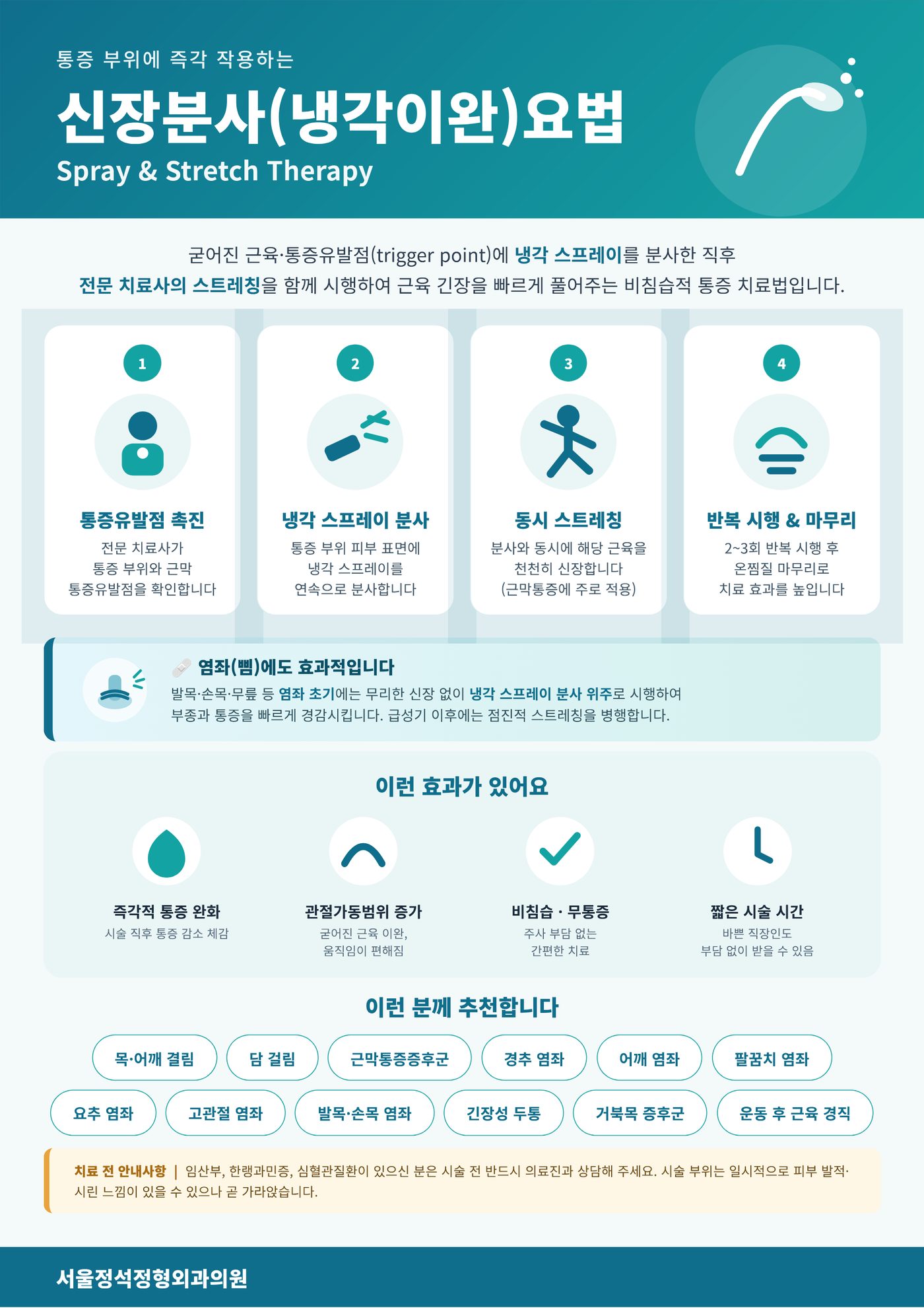
Immediate Muscle Relaxation from Cooling
The cryo gas spray temporarily numbs pain receptors, making stretches possible that pain had previously prevented.
Restores Range of Motion While Reducing Pain
As muscles regain their normal range of motion, chronic pain tends to ease along with it.
Cryotherapy Effect for Acute Injuries
For acute injuries, it reduces swelling, limits inflammation, and suppresses muscle spasm — accelerating early recovery.
Non-Invasive — No Burden from Repeat Sessions
Performed without injections or medication and free of side effects, it can be repeated as often as needed.
Pain Scrambler Therapy
Authorized Non-CoveredScrambles pain signals to block the brain's perception of pain.
A non-surgical, drug-free treatment that scrambles the pain signals traveling to the brain, blocking the perception of pain.
Electrodes attached to the skin deliver a "no-pain" microcurrent signal to sensory nerves, preventing the brain from recognizing the pain. It is especially effective for patients with chronic or treatment-resistant pain who haven't responded to conventional medication or injection therapy.
Registered under Korea's Ministry of Health and Welfare Notice No. 2014-77, it is classified as a non-invasive pain-signal therapy (MZ012).
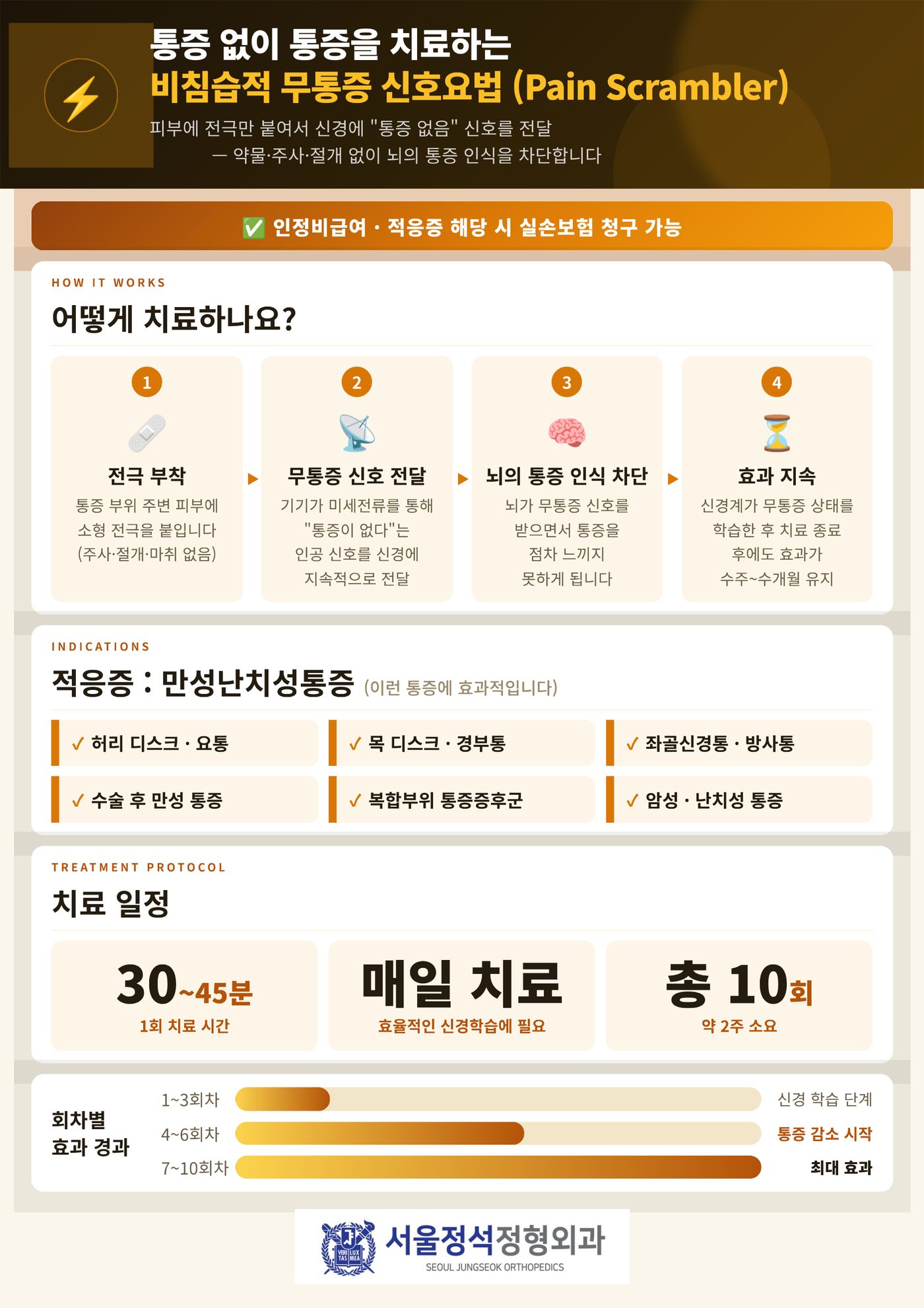
Scrambles Pain Signals — Drug-Free Pain Blocking
No-pain signals are delivered to the nerves via electrodes, preventing the brain from perceiving pain. Severe pain can be managed without opioid painkillers.
Effective for Intractable & Chronic Pain
Applied to chronic pain, neuropathic pain, and CRPS that hasn't responded to medication, injections, or physical therapy.
Non-Invasive — Skin Electrodes Only
Performed with skin-surface electrodes, without injections or incisions, so physical burden and side effects are minimal.
Officially Registered Treatment (2014)
Formally registered under Ministry of Health and Welfare Notice No. 2014-77. Not covered by National Health Insurance, but classified as an Authorized Non-Covered treatment.
Treatment Protocol — Built Around 10 Consecutive Sessions
| Item | Details |
|---|---|
| Session length | 30–45 min |
| Frequency | Once daily (consecutive days) |
| Per course | 10 sessions (1–2 weeks of intensive treatment) |
| Course duration | 2 weeks, including weekends, or 5 weekdays per week |
If effects fade after completing one course (10 sessions), an additional course can be repeated. Under HIRA (Health Insurance Review & Assessment Service) guidelines, this is billed in units of “one cycle of 10 sessions.”
For patients who cannot attend on consecutive days, sessions every other day are sometimes used, but the standard protocol calls for consecutive daily sessions.
- 1Sessions 1–3 — Little effect for most patients (learning phase)
- 2Sessions 4–7 — Pain begins to decrease
- 3Sessions 8–10 — Maximum effect achieved
- 4After 10 sessions — Effects last for weeks to months
A Range of Physical Therapies to Support Recovery
Treatments are combined to fit your symptoms and condition. Most are covered by National Health Insurance.
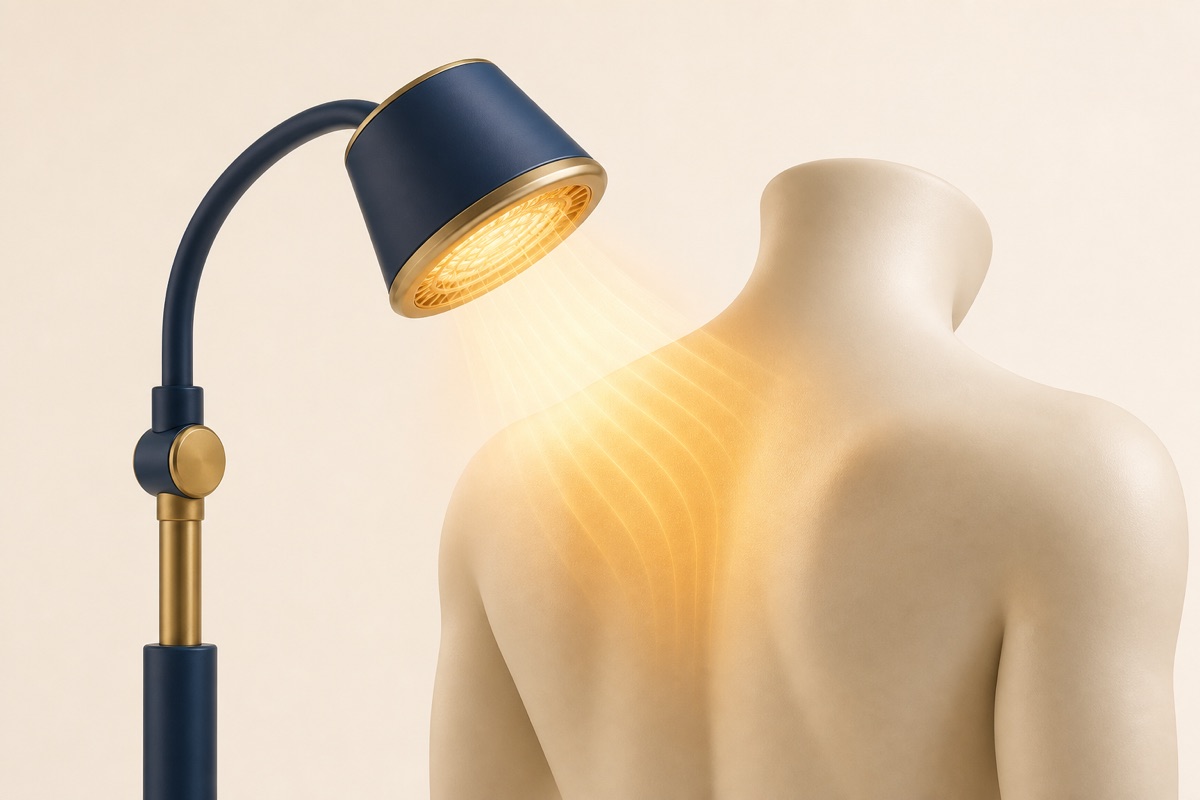
Infrared Therapy
Near-infrared light is directed at the site of pain to improve blood circulation and relax muscles. This is the most fundamental physical therapy, using heat to relieve pain and support tissue recovery.
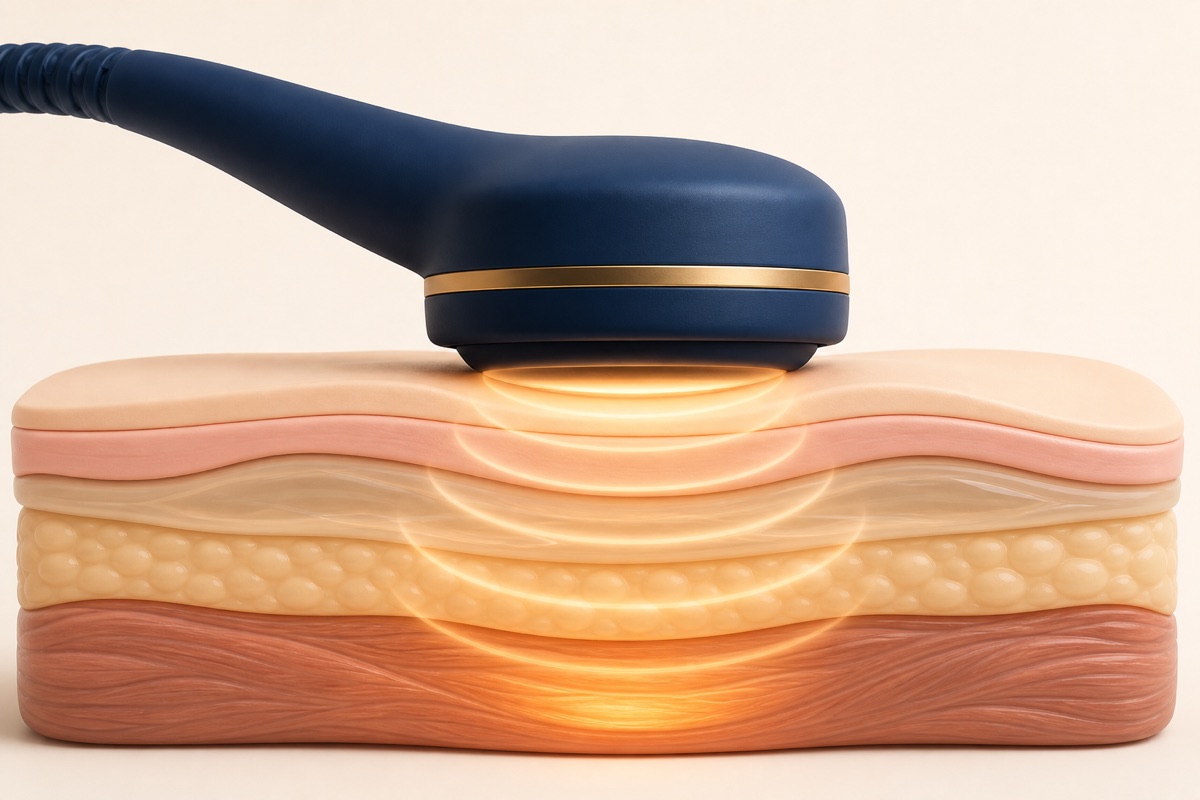
Microwave Diathermy (Deep Heat)
Microwaves deliver heat to deep tissue rather than just the skin surface. The heating effect reaches deep muscles and ligaments around the joints, improving blood flow, relieving muscle spasm, and reducing contracture.
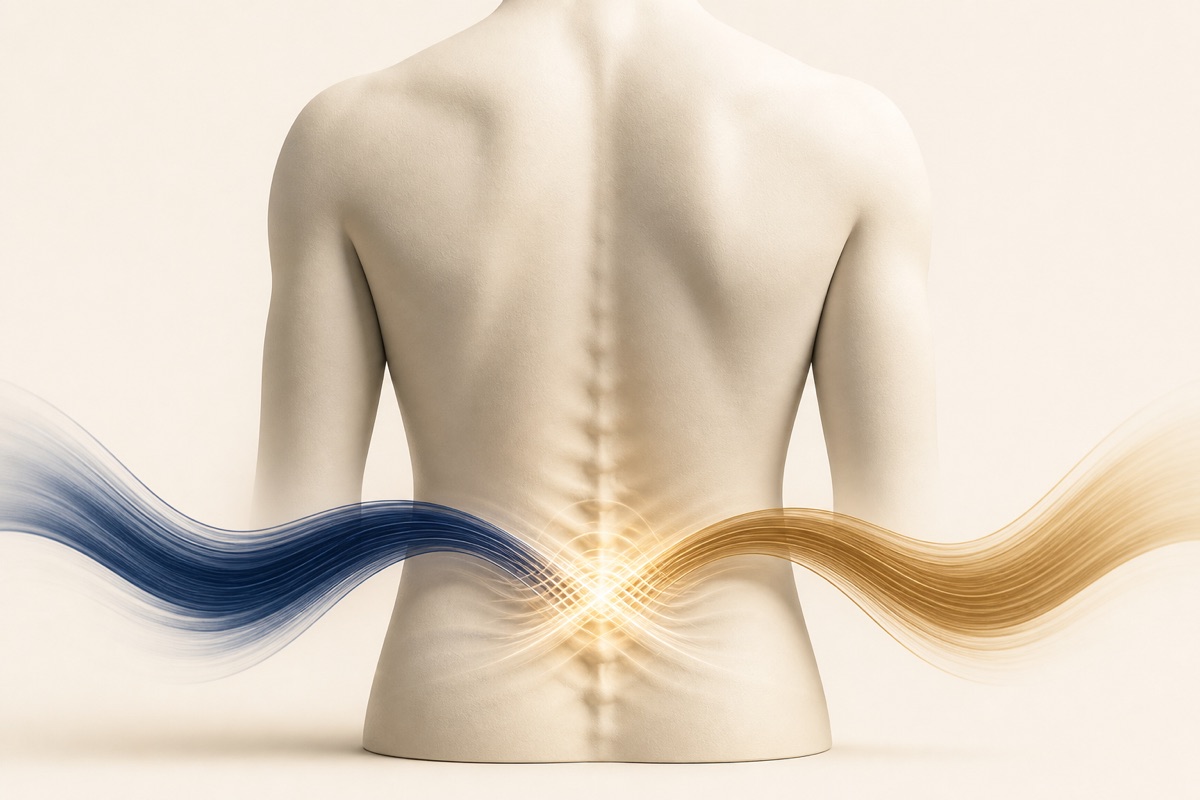
ICT (Interferential Current Therapy)
Two medium-frequency currents cross within the body to create an interference pattern. With low skin resistance, the current reaches deep tissue, providing pain relief, muscle relaxation, and reduced swelling.
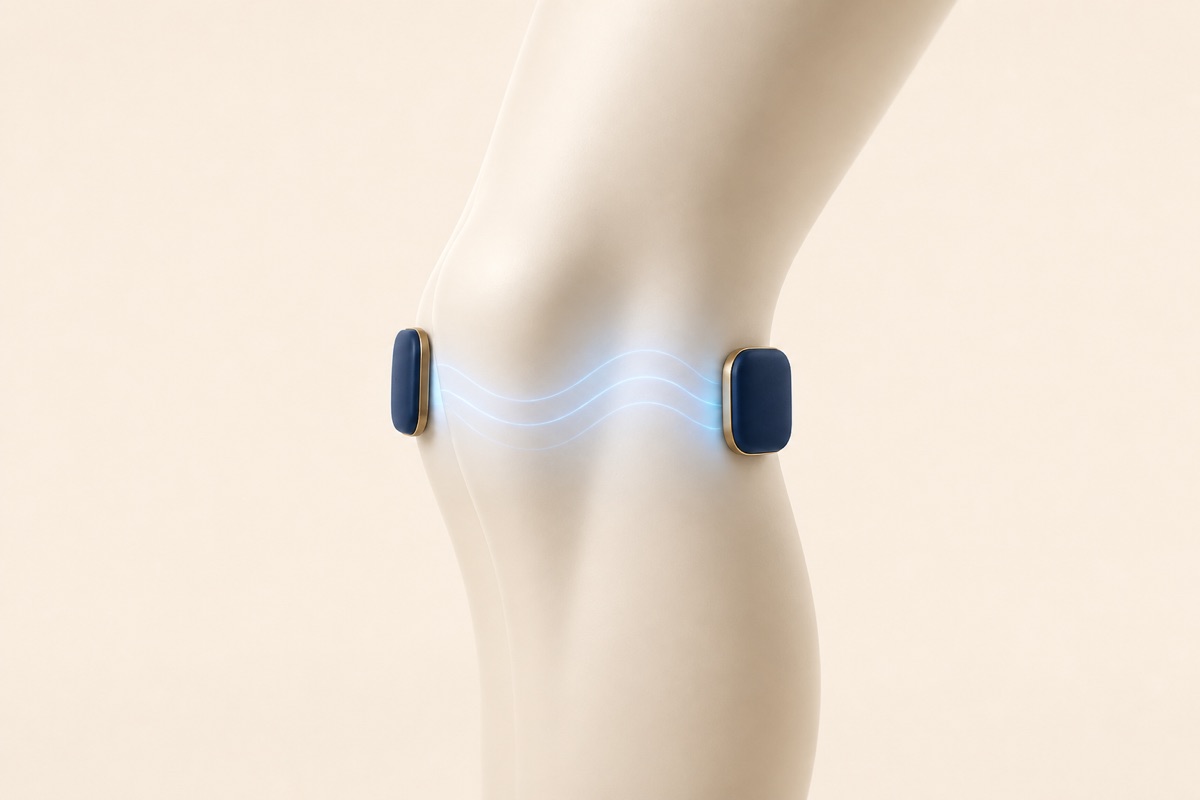
TENS (Low-Frequency Therapy)
Low-frequency electrical stimulation delivered through skin electrodes modulates nerve activity. Based on the gate control theory of pain, it blocks pain signals and promotes endorphin release, easing both acute and chronic pain.
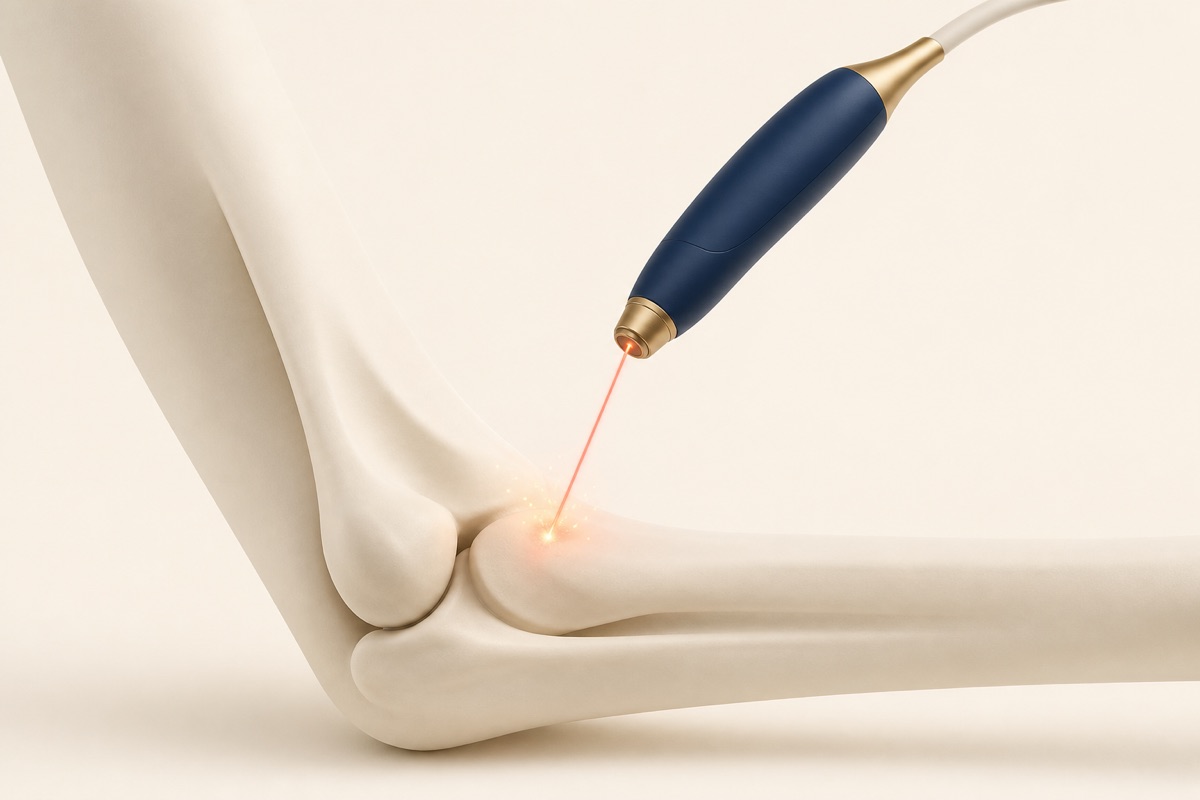
Laser Therapy
Low-energy laser light is applied directly to the site of pain. The light stimulus dilates capillaries and activates cells, promoting tissue regeneration. It also blocks pain signals, making it useful for managing chronic pain.
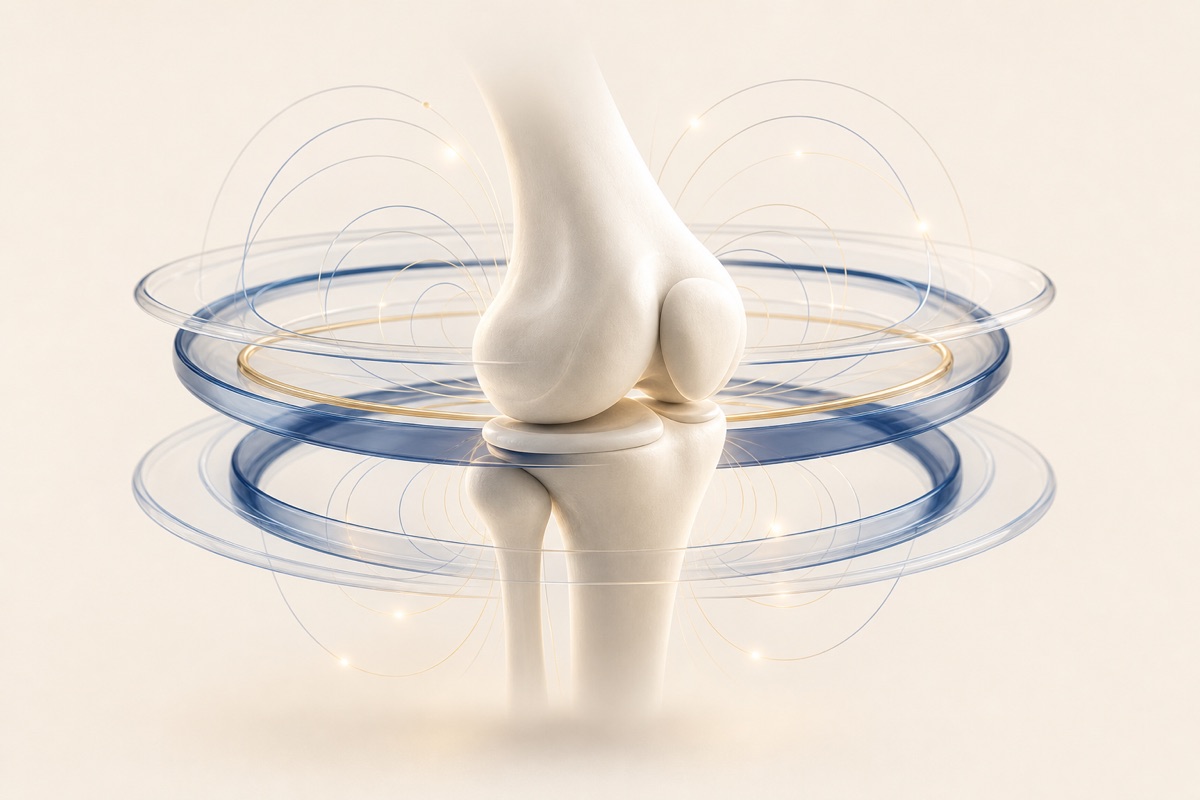
Magnetic Field Therapy
Magnetic field energy stimulates electrical activity at the cellular level. It normalizes cell membrane potential and improves blood flow to support tissue recovery, reducing inflammation and pain.
Private Booth-Style Treatment Center
Receive treatment comfortably in private booths separated by partitions and curtains, without concern for other patients nearby.


